5 Recycling Myths Debunked
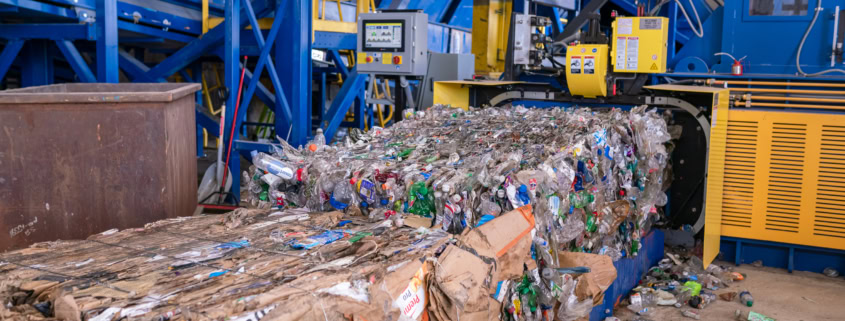
We’ve seen the comments and read the emails. There are a lot of myths being spread about recycling. Wasatch Integrated Waste Management District (Wasatch), along with other waste districts, cities, and counties throughout Utah, make great efforts to ensure your materials are recycled and do not end up in a landfill. Wasatch operates a Material Recovery Facility (MRF) in Layton, Utah where we sort your recyclables and sell them to the market. Here are five recycling myths that just aren’t true.
1) Recyclables just end up in the landfill anyway
False! Recycling is a key industry to our economy, not a myth. By using proper education, collection, sorting, and baling of recyclables we produce high value products that are sold only to reputable brokers or secondary processors. Only the contamination which was placed in the recycling bin is appropriately disposed of in a landfill.
In 2020, recycling was declared as an essential industry by the Department of Homeland Security. In 2024, the recycling market was estimated to be valued at $65.38 billion. Recycling helps the local economy as well. Recycling one ton of material creates ten jobs compared to only one job when landfilling one ton of material.
In 2017, China stopped importing recyclables. Many recycling programs in the U.S. were dependent on sending low quality mixed materials to China which caused huge problems. Today the industry produces much higher quality products, many of which are processed in the U.S. Check out how many recycling paper and cardboard mills and plastic recycling plants there are in the U.S.
2) Recycling uses more energy than it saves
False! Recycling has many environmental benefits, including saving water, energy, and conserving resources. The environmental benefits are clear:
- Recycling aluminum cans saves 95% of the energy needed to make cans from raw materials
- Recycling steel saves 75% of the energy needed to make steel from raw materials
- Recycling one ton of paper saves 7,000 gallons of water compared to non-recycled paper
- Recycling one ton of plastic saves 16 barrels of oil compared to virgin plastic
3) Most recycling loads are landfilled due to contamination
False! It’s important for residents to follow local guidelines for what is acceptable in their recycling program. However, MRFs are designed to handle contamination and have complex equipment and sorters to separate clean recyclables from any contamination. Here in Utah, recyclables come to the facility with only about 10% contamination. Thank you for your help insuring only recyclable items are placed into your recycling can. Please follow local recycling guidelines.
4) The recycling symbol (loop with chasing arrows) means its recyclable
Not always. Unfortunately, seeing the recycling symbol on a product or packaging, doesn’t always mean it is recyclable. Some materials are actually very difficult to recycle due to poor design, so there isn’t a market for them. It could be a ‘greenwashing’ scheme by a company if their product or packaging isn’t widely accepted for recycling, a practice that makes the company appear more ‘green’. All plastics have a recycling symbol with a number in the middle to identify what type of plastic it is. Not all plastics have a recycling market, so make sure to check what your local program accepts.
The most common items that are accepted at MRFs throughout the U.S. are the ‘Big Five’, which are plastic containers, paper, cardboard, aluminum, and steel.
Glass is very recyclable and accepted in a lot of curbside programs nationwide, but no MRFs in Utah have equipment to process glass. Please drop off glass separately with Momentum Recycling at their drop off locations or at the bin located at the Davis Landfill.
5) The U.S. already recycles everything it can
False! The Recycling Partnership found that 76% of recyclables are lost to trash in homes. This is due to lack of access to recycling, primarily in multi-family homes, and lack of participation. Almost all cities in Davis and Morgan counties have a city or county recycling program for single-family homes. If you don’t have recycling access, call your city to sign up. If there isn’t a program offered, reach out to your city council to request a program.
The economic and environmental benefits of recycling are clear. Recycling leads to managing resources more efficiently and helps communities thrive. Want to learn more about recycling and reducing waste? Visit www.wasatchintegrated.gov/recycling.